The Rise of AI-Generated Content
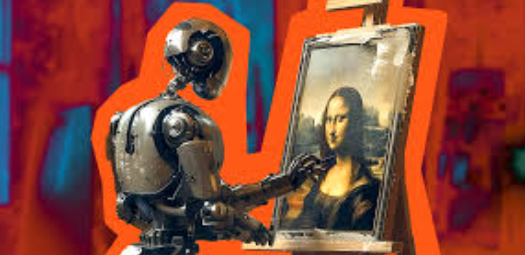
1. Introduction: A New Creative Partner
Content creation once required time, teams, and technical skill. Writing an article meant research and hours of drafting. Designing graphics required specialized software knowledge. Producing videos demanded equipment and editing expertise. Today, AI tools powered by companies like OpenAI and Google can generate polished content in minutes.
This rapid evolution has lowered barriers to entry. A solo entrepreneur can now compete with larger teams by leveraging AI tools. At the same time, professional creators are learning how to integrate AI into their workflow rather than compete against it.
The conversation is no longer about whether AI can create content. It clearly can. The deeper question is how this changes the meaning of originality and human expression.
2. How AI-Generated Content Works
AI-generated content relies on large language models and generative systems trained on vast datasets. These systems learn patterns in language, visuals, and audio, allowing them to predict and generate new outputs that resemble human-created work. When a user provides a prompt, the model analyzes context, tone, and structure to produce coherent and relevant material.
Unlike traditional automation tools that followed rigid templates, modern AI systems adapt to style and intent. They can mimic conversational writing, formal academic tone, persuasive marketing copy, or even creative storytelling. The sophistication of these systems has made AI-generated material increasingly difficult to distinguish from human-created content.
However, AI does not “understand” creativity in the human sense. It identifies patterns and probabilities. What feels imaginative is often the result of advanced pattern recognition and contextual prediction.
3. The Impact on Writers and Content Creators
For writers, AI tools have become powerful assistants. Instead of staring at a blank page, creators can generate drafts, outlines, and research summaries instantly. This accelerates production and reduces creative fatigue. Many professionals now use AI to handle repetitive tasks such as product descriptions, email campaigns, and social media captions.
At the same time, there is concern about oversaturation. When content becomes easier to produce, the internet becomes flooded with similar articles and posts. Standing out now requires stronger personal branding, deeper insight, and authentic voice.
Rather than replacing writers, AI is reshaping their role. The focus shifts from producing raw content to refining, guiding, and injecting personality into AI-assisted drafts. Editing and strategic thinking become more valuable than typing speed.
4. AI in Visual and Video Content
The transformation extends beyond text. AI-generated images, videos, and animations are becoming mainstream. Creators can describe a scene and receive high-quality visuals within seconds. Video scripts can be automatically converted into narrated clips with background music and subtitles.
This technology democratizes production. Small businesses that once struggled with design budgets can now produce professional-looking content. Independent creators can experiment with ideas quickly without heavy financial investment.
However, as visual AI improves, concerns about authenticity grow. Deepfake technology and hyper-realistic imagery blur the line between reality and fabrication. Audiences must become more critical consumers of digital media.
5. The SEO and Marketing Revolution
In digital marketing, AI-generated content has become a competitive advantage. Businesses can produce optimized blog posts at scale, targeting multiple keywords and audience segments simultaneously. Content calendars that once required weeks of planning can now be generated in minutes.
Search engines are adapting to this shift. Instead of penalizing AI content outright, they focus on quality, relevance, and user value. The emphasis remains on helpful, original information rather than the method used to create it.
Brands that combine AI efficiency with human expertise tend to perform best. Pure automation often lacks depth and emotional resonance. The most successful strategies blend data-driven AI production with human storytelling.
6. Ethical Questions and Copyright Concerns
As AI-generated content expands, ethical issues become unavoidable. Questions about authorship arise when machines assist heavily in creative work. Who owns AI-generated art? The user, the developer, or the platform?
There are also concerns about training data. Since AI models learn from existing material, debates continue over whether they indirectly replicate copyrighted works. Regulatory discussions are ongoing in many countries as governments attempt to balance innovation with intellectual property protection.
Transparency may become the standard. Some creators openly disclose when AI tools are used, building trust with their audiences.
7. Human Creativity in the Age of Algorithms
Despite rapid technological progress, human creativity remains irreplaceable. AI can generate ideas, but it lacks lived experience, emotion, and genuine perspective. The most compelling stories often come from personal struggle, cultural insight, and emotional depth—qualities that machines cannot truly replicate.
In many cases, AI acts as a catalyst rather than a creator. It sparks ideas that humans refine and elevate. The relationship becomes collaborative rather than competitive.
Creativity itself may evolve. Instead of measuring originality by manual effort, we may measure it by concept, interpretation, and emotional impact.
8. The Risk of Content Overload
One unintended consequence of AI-generated content is digital noise. When millions of articles, videos, and posts are produced daily, attention becomes scarce. Audiences grow selective and skeptical.
Quality and trust become the differentiators. Readers gravitate toward voices that feel authentic and insightful rather than generic and repetitive. Personal branding and expertise matter more than ever.
Creators who rely solely on automation risk blending into the background. Those who use AI strategically while maintaining a unique voice stand out.
9. The Future of Content Creation
Looking ahead, AI tools will likely become more personalized. Systems may adapt to individual writing styles, learning preferences and tone over time. Collaboration between humans and AI could feel seamless, almost intuitive.
Educational institutions may teach AI-assisted creativity as a standard skill. Businesses may require AI literacy alongside traditional marketing knowledge. Content creation will shift from a purely manual craft to a hybrid discipline combining strategy, technology, and storytelling.
Rather than eliminating creativity, AI may expand it by removing technical barriers and accelerating experimentation.
10. Final Thoughts
AI-generated content represents one of the most significant transformations in the digital era. It empowers individuals, accelerates production, and opens new creative possibilities. Yet it also challenges traditional ideas about originality, ownership, and authenticity.
The future of creativity is unlikely to be machine-dominated. Instead, it will be defined by collaboration. Humans will continue to provide meaning, emotion, and perspective, while AI handles structure, speed, and scale.
In 2026 and beyond, the question is not whether AI can create content. It clearly can. The real question is how we choose to use it—and whether we allow technology to amplify our creativity or replace it.
The answer will shape the next chapter of the digital world.